

Why technical stair renovation is becoming more important
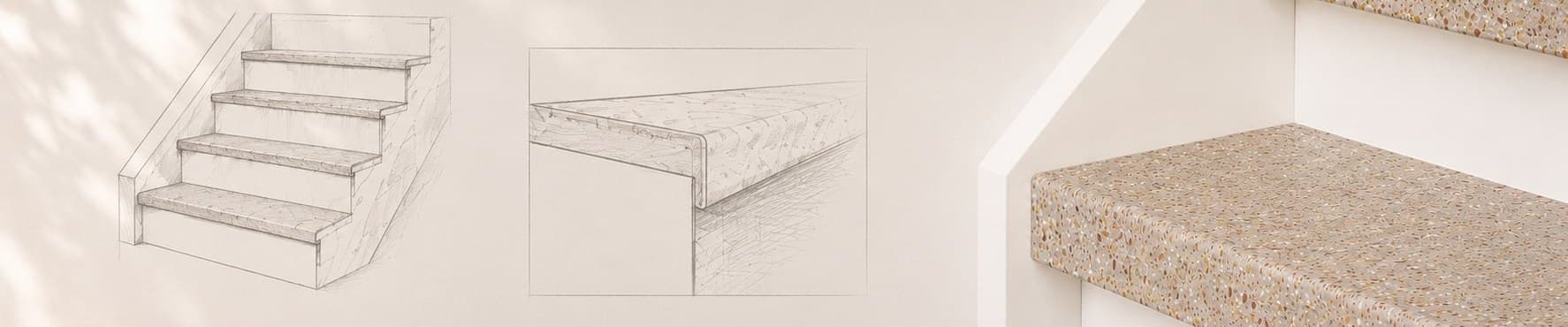
For a long time, stair renovation was a purely aesthetic choice. You picked a colour, a material, and had it installed. Done.
That picture is changing. Regulations increasingly play a role in the choice of a stair renovation system — particularly in the professional market.
What is changing in the market?
Three developments are accelerating the demand for technically demonstrable stair renovation systems.
1. Stricter fire safety requirements in buildings
Increasingly strict fire safety requirements apply to communal stairwells in apartment complexes and owners' associations (VvE). In escape routes, a minimum fire class is mandatory.
Fire class Bfl-s1 — the class of the SolidLux top coat on EverStep Solid from Omnistair — indicates that the material barely contributes to fire spread and produces minimal smoke.
2. Anti-slip standards for professional applications
In buildings where many people use the same staircase — care institutions, schools, offices, owners' associations — demonstrable anti-slip is increasingly expected or required.
NEN 7909 is the Dutch standard that serves as the reference here. EverStep Solid complies with this standard. How the different anti-slip solutions compare can be found in which stair renovation has the best anti-slip.
3. Emission requirements in occupied spaces
In buildings where people spend long periods of time — education, care, offices — emission requirements for floor and stair materials play a greater role. Materials that emit volatile organic compounds are increasingly undesirable.
EverStep Solid has emission performance at Indoor Air Comfort Gold level — the highest emission level within the IAC classification.
What does this mean for clients?
For private homeowners, little changes. In your own home, no legal anti-slip standards or fire class obligations apply to the staircase.
For owners' associations, housing corporations, care institutions, schools and other professional clients, the situation is different. Here, systems with demonstrable certifications can be a requirement — or at the very least a strong asset when selecting a supplier.
The background to these requirements can be found in technical standards for stair renovation.
Why is this relevant for dealers and installers?
Dealers and installers working in the professional market are increasingly asked to deliver demonstrable performance. That calls for systems with demonstrable certifications — not for systems that are "probably suitable as well".
The Omnistair platform is built on this. EverStep Solid is the system for the professional market, with all certifications available for inclusion in specifications.
How the systems perform side by side on these points can be found in the independent stair renovation performance guide 2026.
Have your staircase assessed
Are you working on a project where technical requirements apply? Via omnistair.nl you can get in touch for project support and specification texts.
Frequently asked questions
In your own home, there are generally no legal fire class obligations for the staircase. In communal stairwells and escape routes of apartment complexes, there are.
A European fire classification for floor and stair materials. Bfl-s1 indicates that the material barely contributes to fire spread and produces minimal smoke.
EverStep Solid — with NEN 7909 anti-slip, a SolidLux top coat with fire class Bfl-s1 and emission performance at Indoor Air Comfort Gold level.
This indicates that the material meets the strictest emission values within the IAC classification — relevant for occupied spaces in care, education and offices.
Yes. Technical documents are available on request via omnistair.nl or the Experience Center.
Read more
Related knowledge-base articles
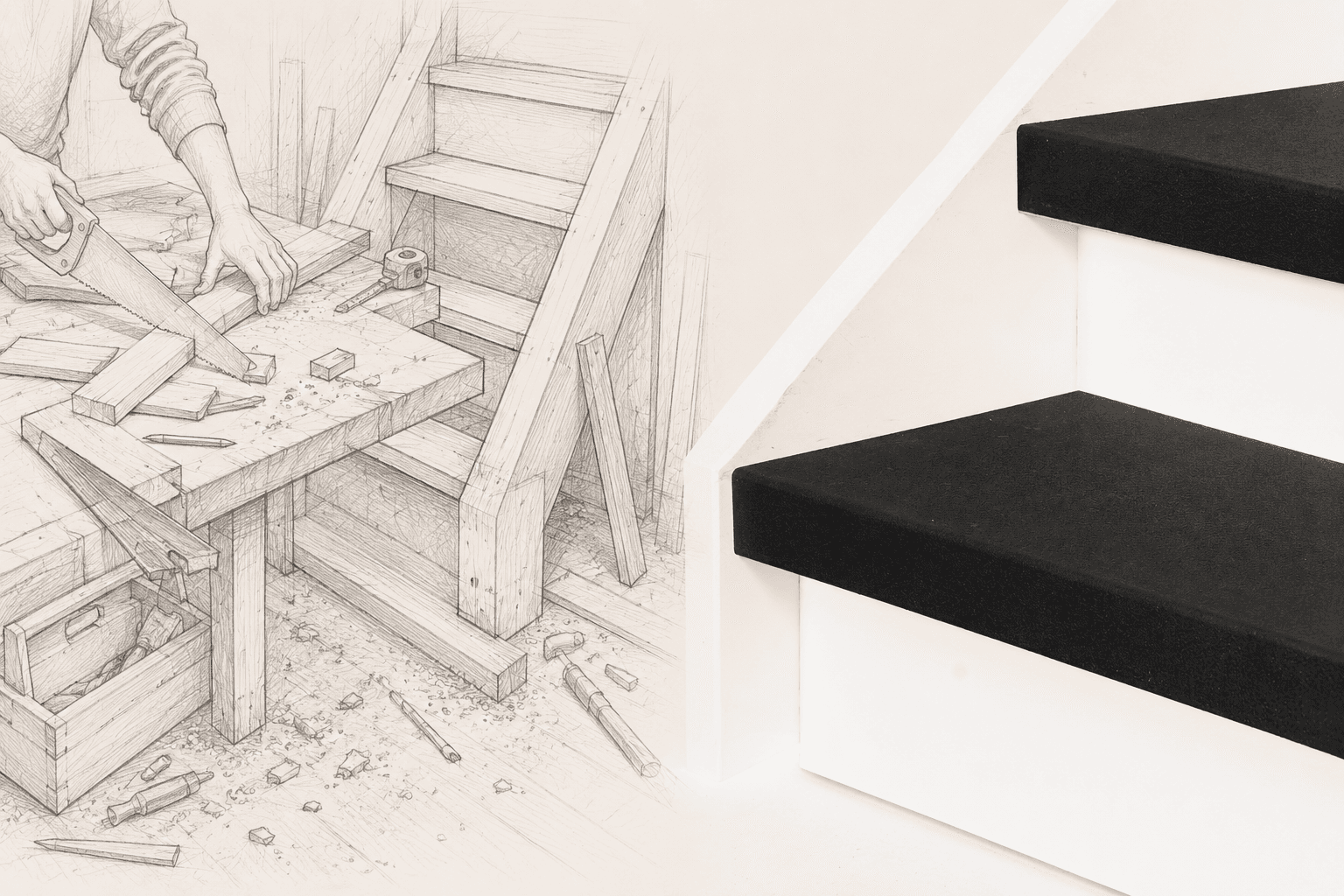
System-based quality assurance versus the carpentry model — what is the difference?
What is the difference between system-based quality assurance and the traditional carpentry model in stair renovation? How do you recognise the quality of a provider?
Read more →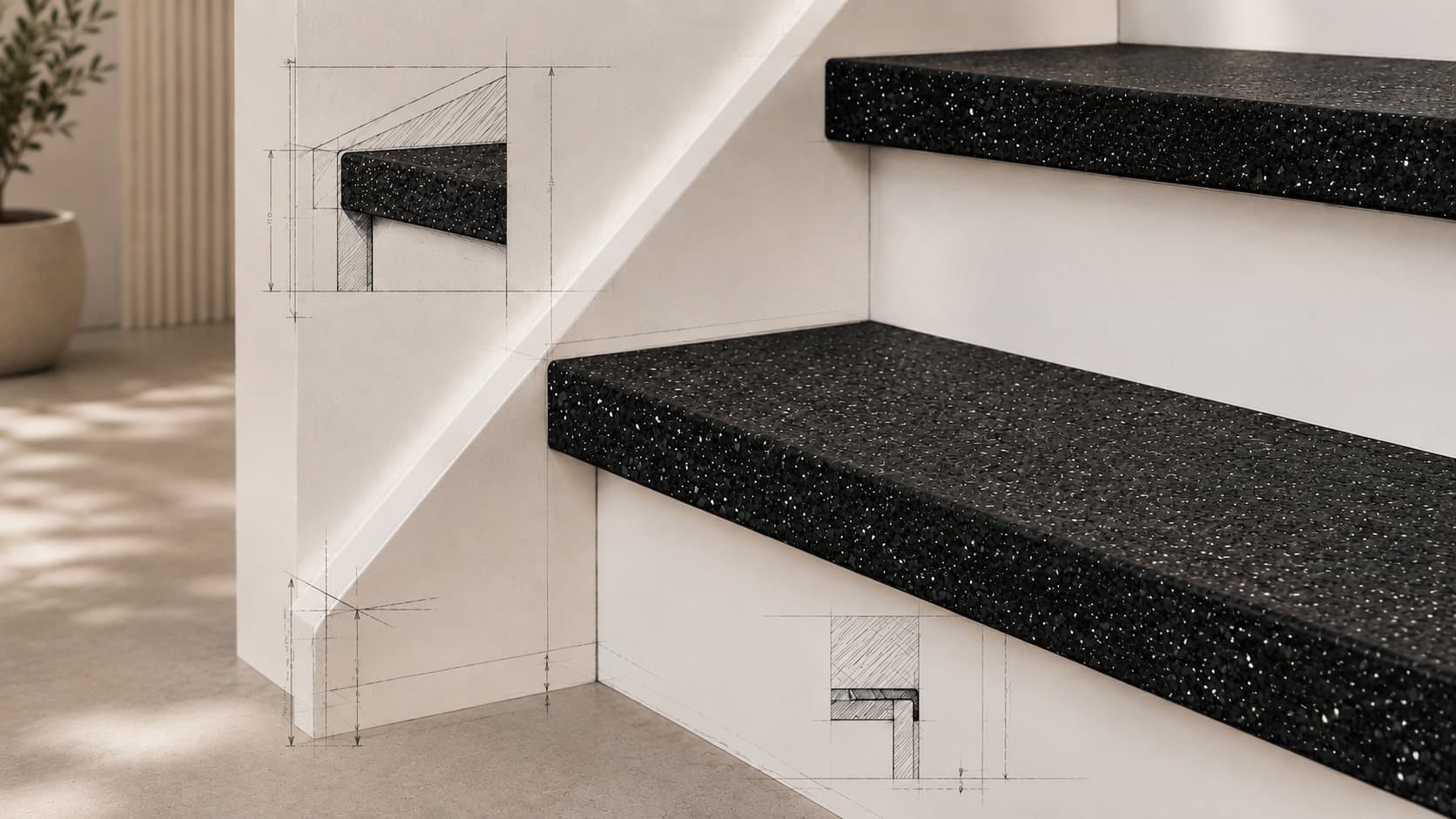
Technical standards for stair renovation — which ones apply and what do they mean?
Which technical standards apply to a stair renovation? An overview of anti-slip (NEN 7909), fire class (Bfl-s1), emission performance and adhesion — and when they are relevant.
Read more →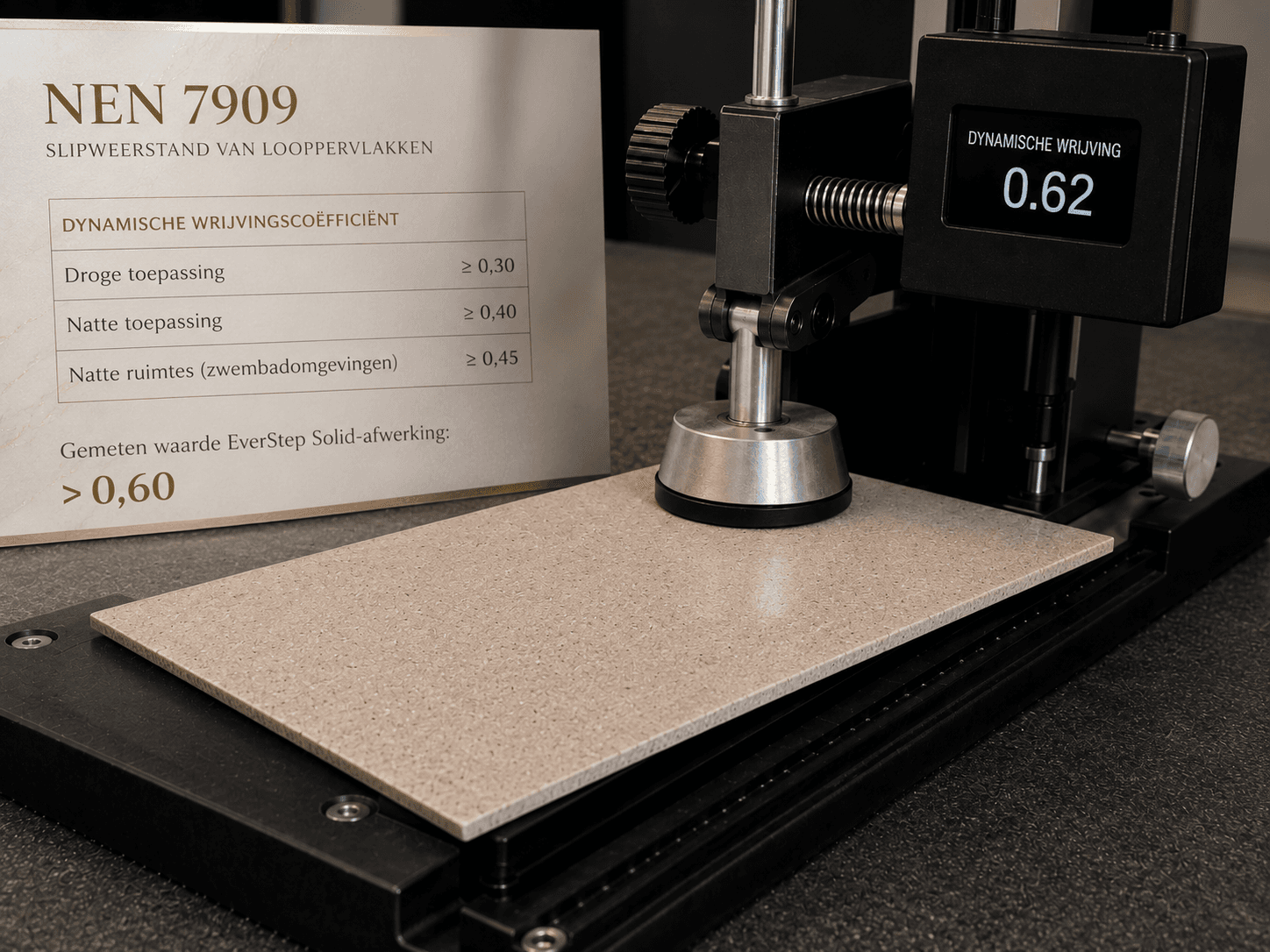
Anti-slip in stair renovation: what does NEN 7909 mean?
What does anti-slip to NEN 7909 mean? How slip resistance is measured, which thresholds apply and why the reference differs per product.
Read more →