What can painters do in winter? Add stair renovation to your services
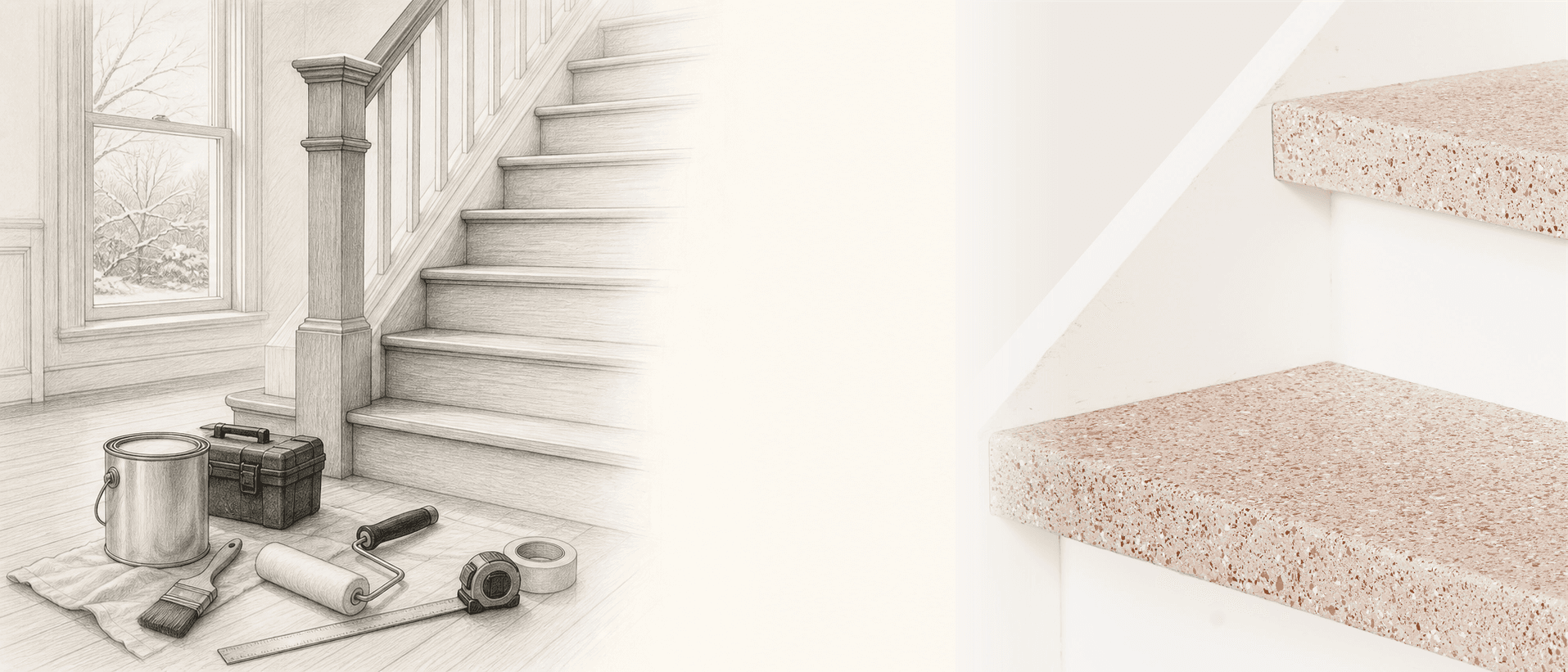
Stair renovation is a logical additional winter service for painters. The work is indoors, it builds on what you already do, and alongside your hours you also supply the material. You decide how far you take it: outsource the installation to a fitting partner, or take it fully into your own hands after the course.
Winter work for painters: why stair renovation fits your trade
From November onwards, outdoor work becomes harder to plan and many painters see their diary empty while fixed costs carry on. Staircases and stairwells are already offered explicitly as indoor winter work by various painting firms, alongside walls, ceilings, doors and frames. So there is a recognisable market for work on staircases in winter.
But painting a staircase is a modest job. The treads get a coat, the handrail is touched up — and visible wear appears first along the busiest line. How quickly that happens depends on the substrate, the preparation, the finish used and how intensively the staircase is used. Your customer sees it, and you know it. That is exactly where the opportunity lies to broaden what you offer.
Three ways for painters to start with stair renovation
You can enter at three levels, and you do not have to start with the most demanding one.
On the first route you combine your existing painting work with ready-made anti-slip elements. You paint the stringer board, the stringers, the risers and the handrail — work you do every day — and apply GripStep Pro to the existing treads: anti-slip elements in natural stone composite that cover the walking surface. You work with your own tools, no spraying equipment is required and no fitting partner is involved.
On the second route you sell complete overlay treads. You advise the customer, supply the material and finish the staircase; a fitting partner cuts the treads to size on site and installs them. That way you deliver a full stair renovation without becoming a fitter yourself. This route requires system and product knowledge, not installation experience.
On the third route you do everything yourself: advising, measuring, cutting to size, installing and finishing. You learn that on the practical course. After that you decide per job what to outsource and what to do yourself — everything yourself on a straightforward staircase, with the fitting partner alongside you on a spiral staircase or a tight schedule.
Can I offer this to a customer who has known me for years?
For most painters that is the key question, and rightly so. You are putting your name on the line with someone who trusts you. That is why the division of work is clear in advance: you buy the material and remain your own customer's point of contact as an independent business, exactly as with all your other work.
What makes the difference is that you do not have to handle the technically most critical part alone. If you work with a fitting partner, you do not have to measure the staircase precisely: a rough measurement determines which panels are supplied, and cutting to size and installation happen on site, by someone who does this daily. The step where most mistakes are made — measuring, cutting and bonding — is the step you hand over. What remains is what you already do: advising the customer, carrying out the painting work and finishing the staircase.
This is what such a job looks like: you discuss with your customer which colour and specification suit, you sell the treads, you finish the stringer board, risers and handrail, and the fitting partner cuts and installs. You remain the face of the job from start to finish. If you want to do more yourself later, you grow into the third route.
What you need to start
Less than you might think. You already have your customer base, and that is the most expensive part of any new service. What is added is knowledge of the system: how to assess the substrate, what to measure, how to advise the customer and how to carry out the finish. You learn that on a short, practical course, which alongside the work itself also covers colour advice and using the colour mixer— so that you win work yourself rather than waiting for it.
The course is also open to career changers and returners looking for practical work. Painting experience helps, but is not a requirement.
From hours to hours plus material
As a painter you earn from your hours. With a stair renovation something is added: alongside your work you also supply the chosen material, at the usual trade margin. For your customer it stays straightforward — product and execution are arranged within one job, with one point of contact.
There is a second effect. A renewed staircase often makes it visible that the hall, the doors or the frames beside it could use attention too. For the customer it is practical when the same trusted professional can include that, or carry it out later.
The VAT story you already know
In the Netherlands, painting work on homes older than two years falls under the reduced VAT rate. That also covers applying flakes within a paint system on stairs and floors — the Dutch tax authority names this explicitly in its guidance on the VAT rate for painting. New prefabricated components fall outside it and remain under the general rate. On a mixed job you separate the two in your quotation and on your invoice, exactly as you do with other work. Always ask your own accountant to confirm how this applies to your own activities.
Why you think about this before November
Anyone who wants to fill the winter diary needs to be ready before November with the course, sample material and communication. September and October are therefore the logical months to bring this service to the attention of existing customers. That gives you time to plan the first jobs carefully rather than starting mid-season.
Well-executed winter work also keeps contact with existing customers active, which increases the chance that they approach you for the exterior work later as well.
Not on the route with a fitting partner. A rough measurement is enough to determine which panels are needed; the fitting partner cuts the treads to size on site and installs them. If you want to handle installation yourself, the course teaches you how to measure the staircase, cut the treads to size and install them.
Not for the entry route with anti-slip elements: you work with your own tools. If you work with complete overlay treads, it depends on the route you choose. The course makes clear in advance which tools and materials are required.
You work as an independent business and remain your own customer's point of contact, as with all your work. The difference is that you are not on your own: the material comes from Omnistair, installation can be carried out by a fitting partner trained in the system, and technical support is available. Agree before your first job who fulfils which role, so that you work from documented arrangements.
That depends on the stair shape, the condition of the staircase and how much you include. Applying anti-slip alongside your painting work is considerably quicker than a complete finish that also covers stringers, handrail and adjoining elements. The course teaches you how to estimate that in advance.
The course is open to career changers and returners looking for practical work. Painting experience helps, but is not a requirement. The work does demand precision and an eye for finish.
Talk through your first stair renovation
Bring a customer enquiry or a photograph of a staircase. We will discuss which route suits you, what you carry out yourself and what support you receive. Come and visit us in Waddinxveen, by appointment, so that someone is there for you.
Basis for this article: information on the VAT rate for painting work on homes older than two years is based on the public guidance of the Dutch tax authority, consulted in July 2026. Always ask your own accountant to confirm your own situation.
Reviewed in practice by Vincent Spaas, over 26 years of experience in home furnishing, painting and stair finishing, developer of the Omnistair system. Last updated: July 2026.
Read more
Related knowledge-base articles
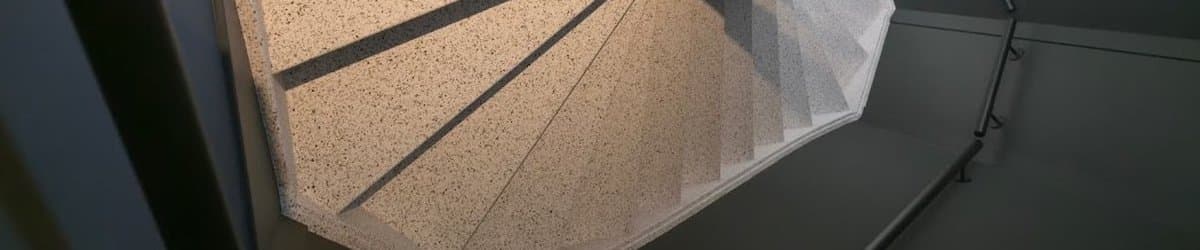
Indoor work that fills your schedule, right when winter hits
Quiet season? Stair renovation is indoor work without investing in equipment. Paint the staircase and renew the treads with GripStep Pro, or take a short training course and grow into complete stair renovations. Also open to career changers and returners.
Read more →
You advise the client. We handle the installation.
Become a stair renovation advisor without installing anything yourself. You help the client choose using the colour mixer; craftsmen from our network handle measuring, installation and warranty. No upfront investment. For stylists, home advisors, returners and part-timers.
Read more →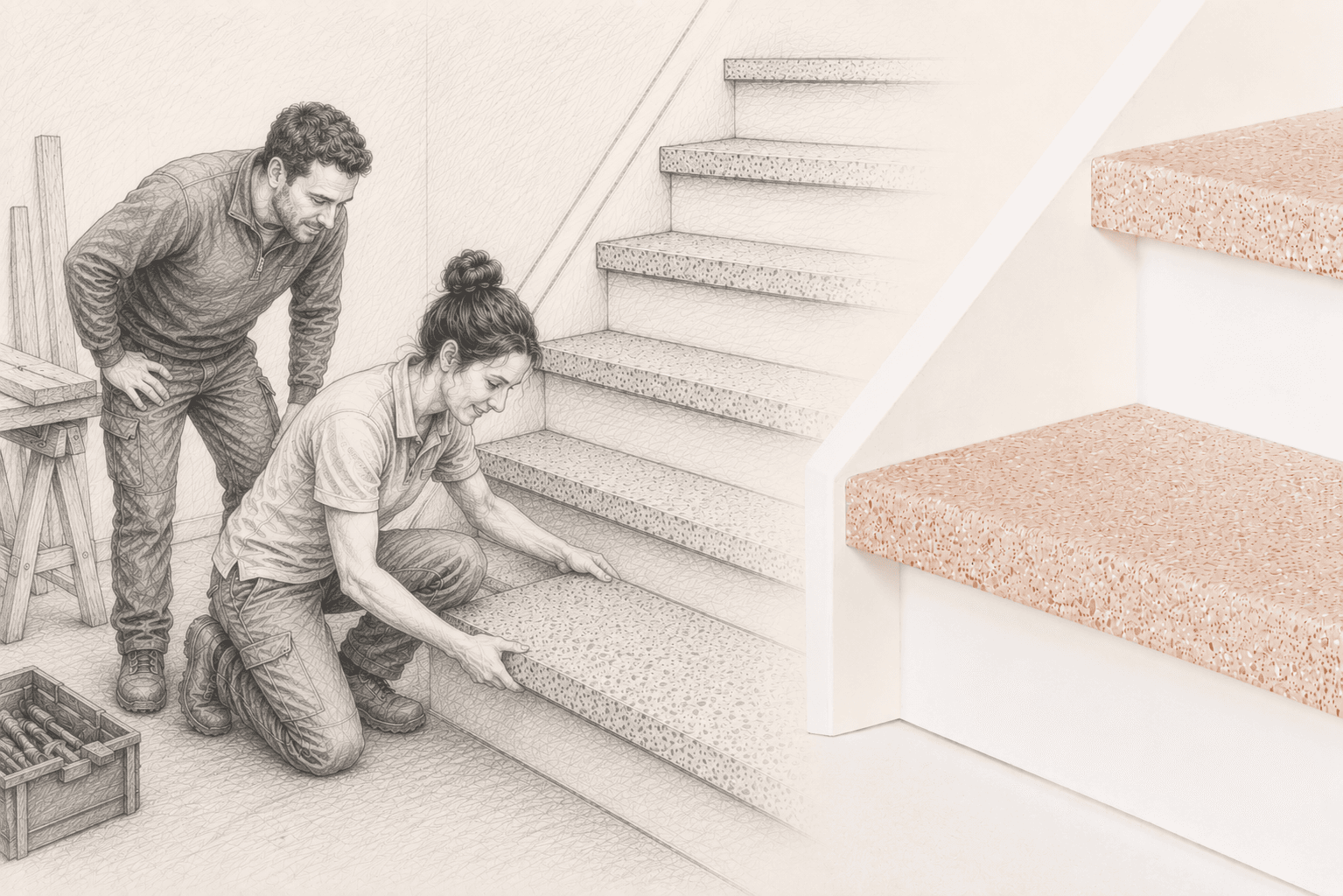
Stair renovation training — what do you need to become a professional?
What training do you need for stair renovation? Read about craftsmanship, system training and what the Omnistair dealer network requires.
Read more →