

What does postponing stair maintenance cost in an apartment building?
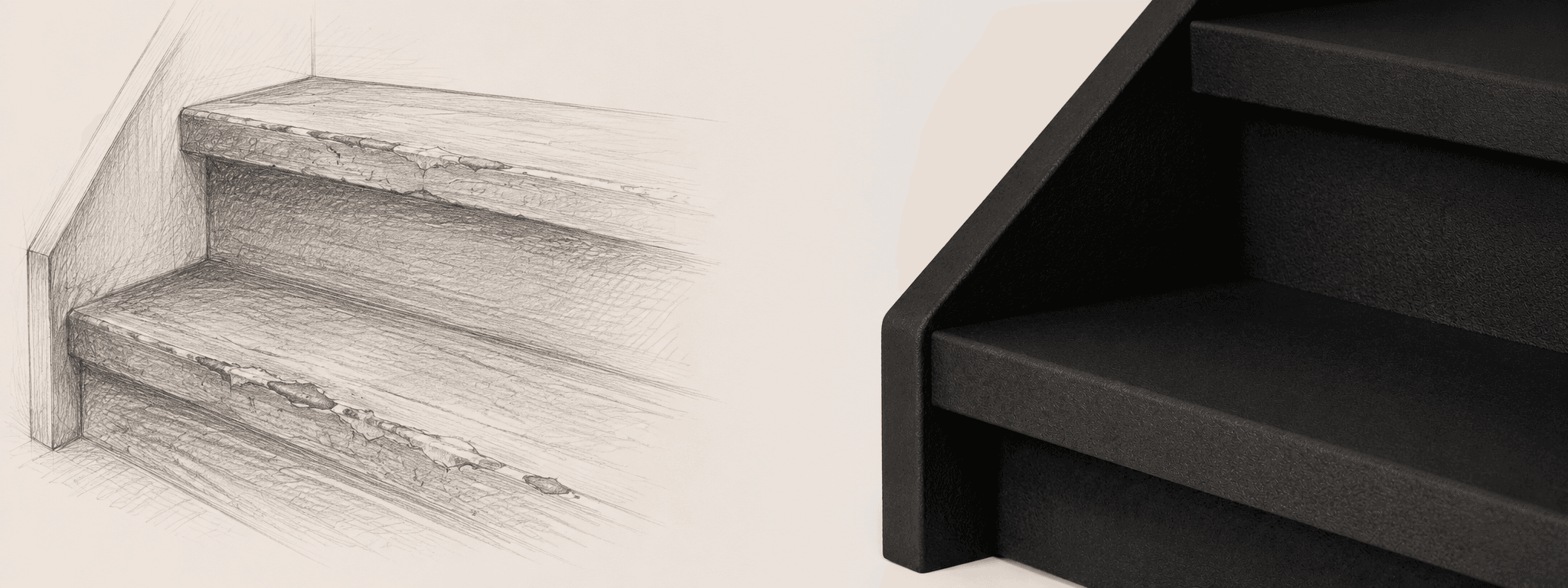
Many owners' associations (VvE, the Dutch equivalent) postpone maintenance because there seems to be no immediate need. The staircase functions, residents can use the building and no acute problems are visible.
In practice, however, postponed maintenance often turns out to be more expensive than timely intervention. Especially in intensively used stairwells, small defects can gradually develop into larger maintenance issues. How the requirements for such stairwells fit together can be found in stair renovation for owners' associations and commercial buildings.
Short answer
Postponed stair maintenance can lead to higher maintenance costs, accelerated wear, more repair work and a less safe situation for users. Overdue maintenance also affects the appearance of the building, the resident experience and future maintenance budgets.
Small defects often become bigger problems
Maintenance issues often start small: localised wear, damaged edges, loose components, discoloured finishes, reduced grip. When these signals remain untreated for years, the repair becomes more extensive and more expensive.
Why the choice of material plays a part in this can be found in why wear resistance matters for owners' associations.
Preventive versus corrective maintenance
Preventive maintenance is planned and manageable. Corrective maintenance takes place after problems have arisen — and is usually more expensive. Many long-term maintenance plans are designed precisely to prevent corrective maintenance.
Why a well-kept stairwell adds value
A stairwell is seen daily by residents, visitors, suppliers and potential buyers or tenants. Its state of maintenance affects the appearance of the building. Many owners' associations regard a well-kept stairwell as part of good building management.
Which renovation choice fits can be found in which stair renovation is suitable for an apartment building.
What does this mean for a long-term maintenance plan?
Postponed maintenance affects reserves, budgets and planned work. Costs do not only shift in time — they sometimes also change in size.
And when a VvE should include stair renovation in its long-term maintenance plan offers guidance in that consideration. EverStep Solid offers a wear-resistant solution that fits within a preventive maintenance strategy.
Have the stairwell assessed
Have the stairwell assessed to determine whether it still fits within the maintenance planning of the long-term maintenance plan. Via omnistair.nl you can request an appointment for an on-site assessment.
Frequently asked questions
Often because the staircase still seems usable and other maintenance projects take priority.
Not always, but prolonged postponement can lead to more repair work and higher costs.
Preventive maintenance is carried out as planned. Corrective maintenance takes place after problems have arisen.
The plan helps schedule maintenance in time and build up financial reserves.
Yes. For residents and visitors, the stairwell forms an important part of the first impression.
That depends on its condition, intensity of use and maintenance history.
Read more
Related knowledge-base articles
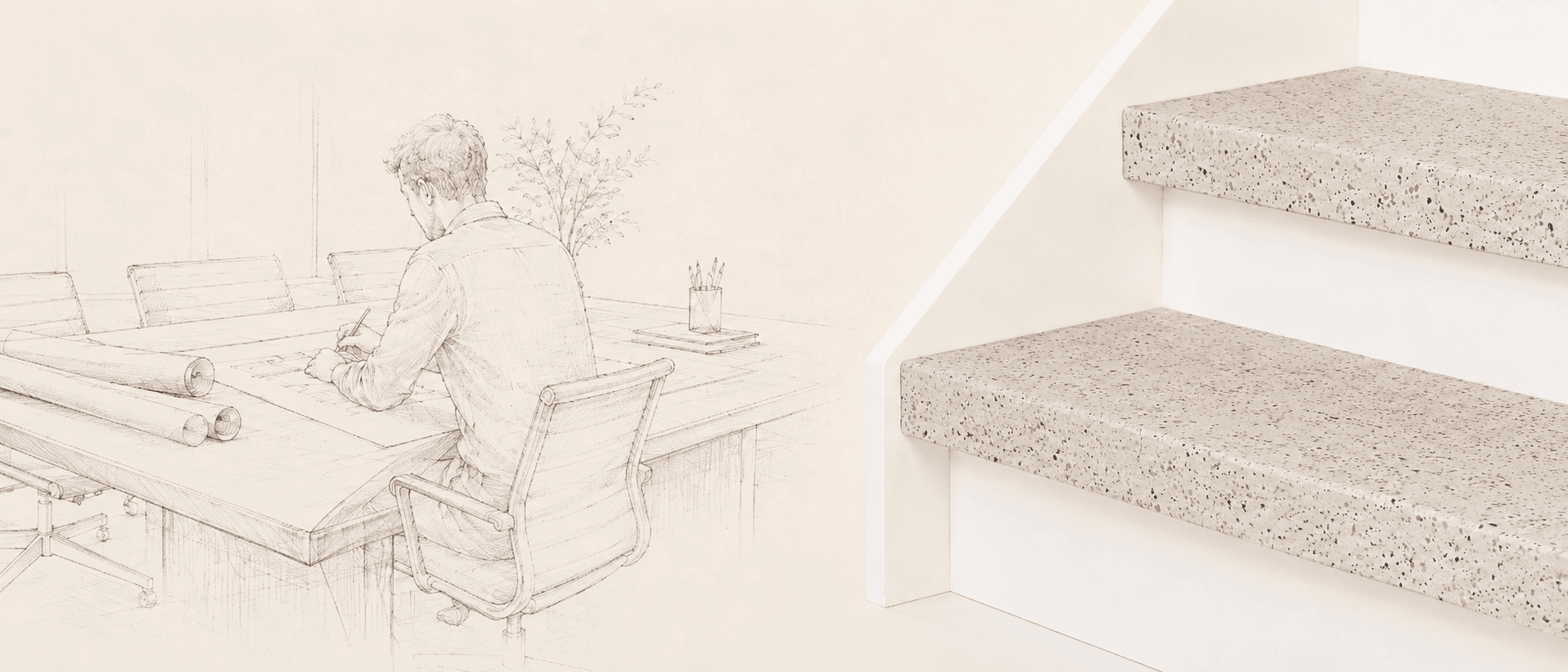
When should a VvE include stair renovation in its long-term maintenance plan?
Discover when an owners' association should include stair renovation in its long-term maintenance plan and which signals point to future maintenance.
Read more →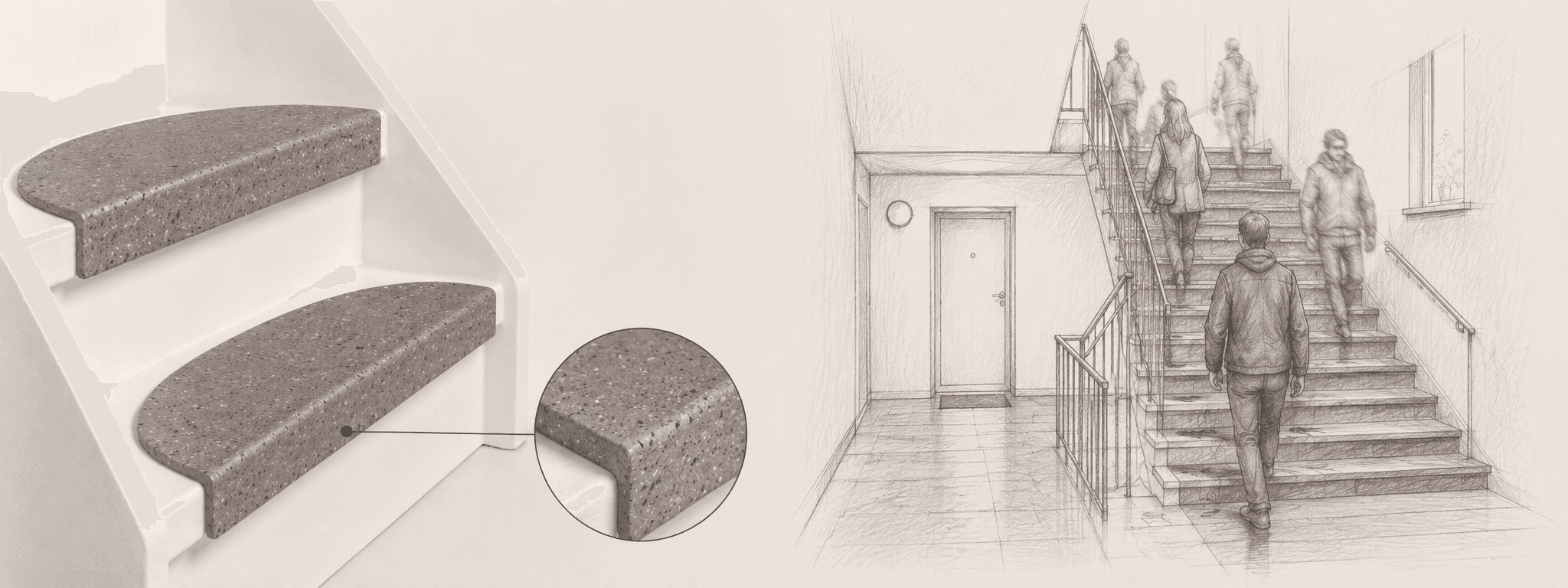
Why wear resistance matters for owners' associations
Discover why wear resistance plays an important role in stair renovations in apartment buildings and owners' associations. About lifespan, maintenance and operating costs.
Read more →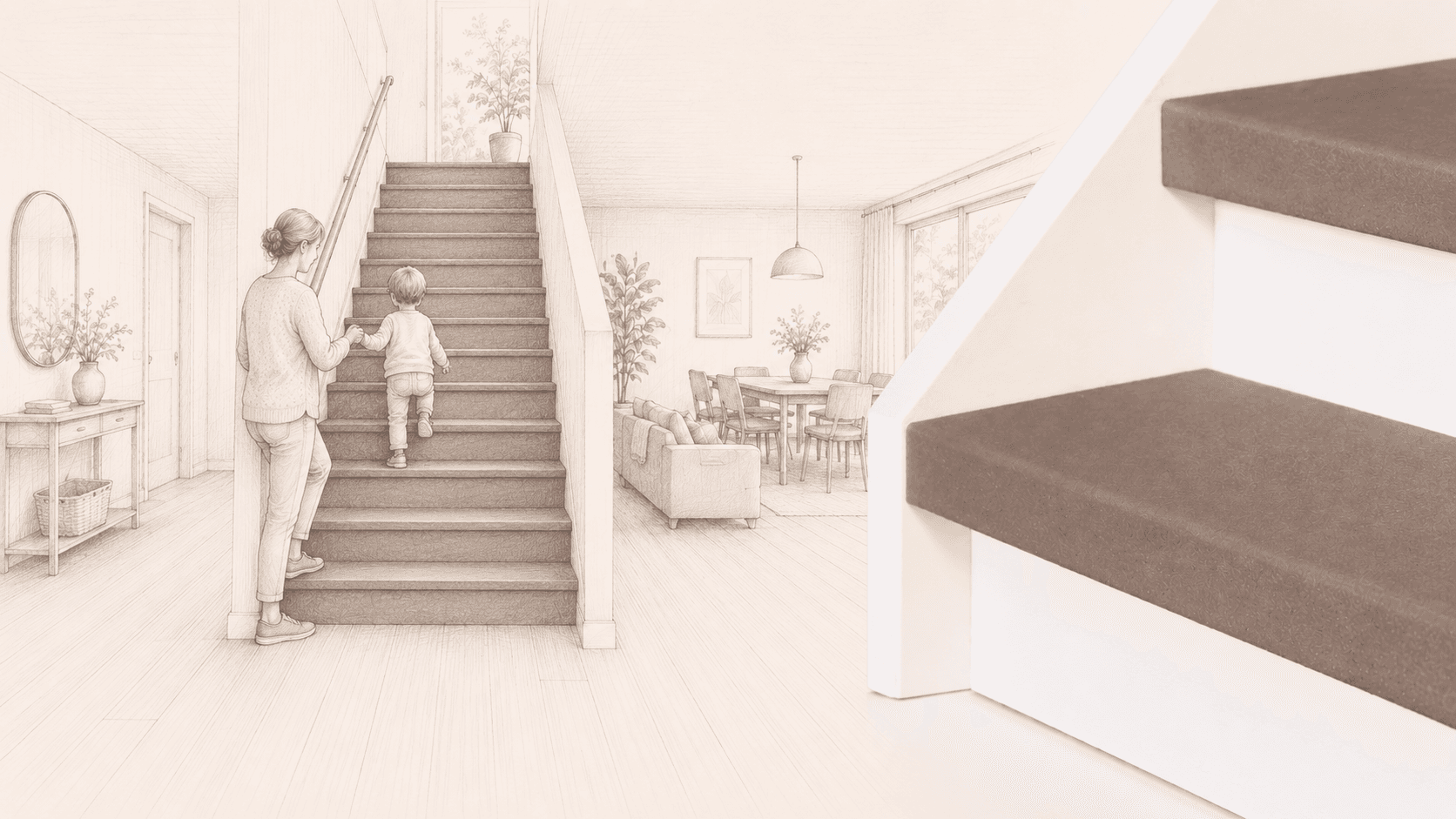
Why are stair renovation prices so secretive?
Why does no one simply publish a price for stair renovation? Discover the real reasons behind the price secrecy and what you can expect.
Read more →